Qasab
Community-led sustainable design
like cane, Qasab is locally rooted, flexible, and structurally intelligent.
A research-based, context-driven design grounded in lived experience and shared knowledge, focused on developing and prototyping appropriate systems through collaboration and collective responsibility.
human-centered
practice-focused
adaptive, responsive
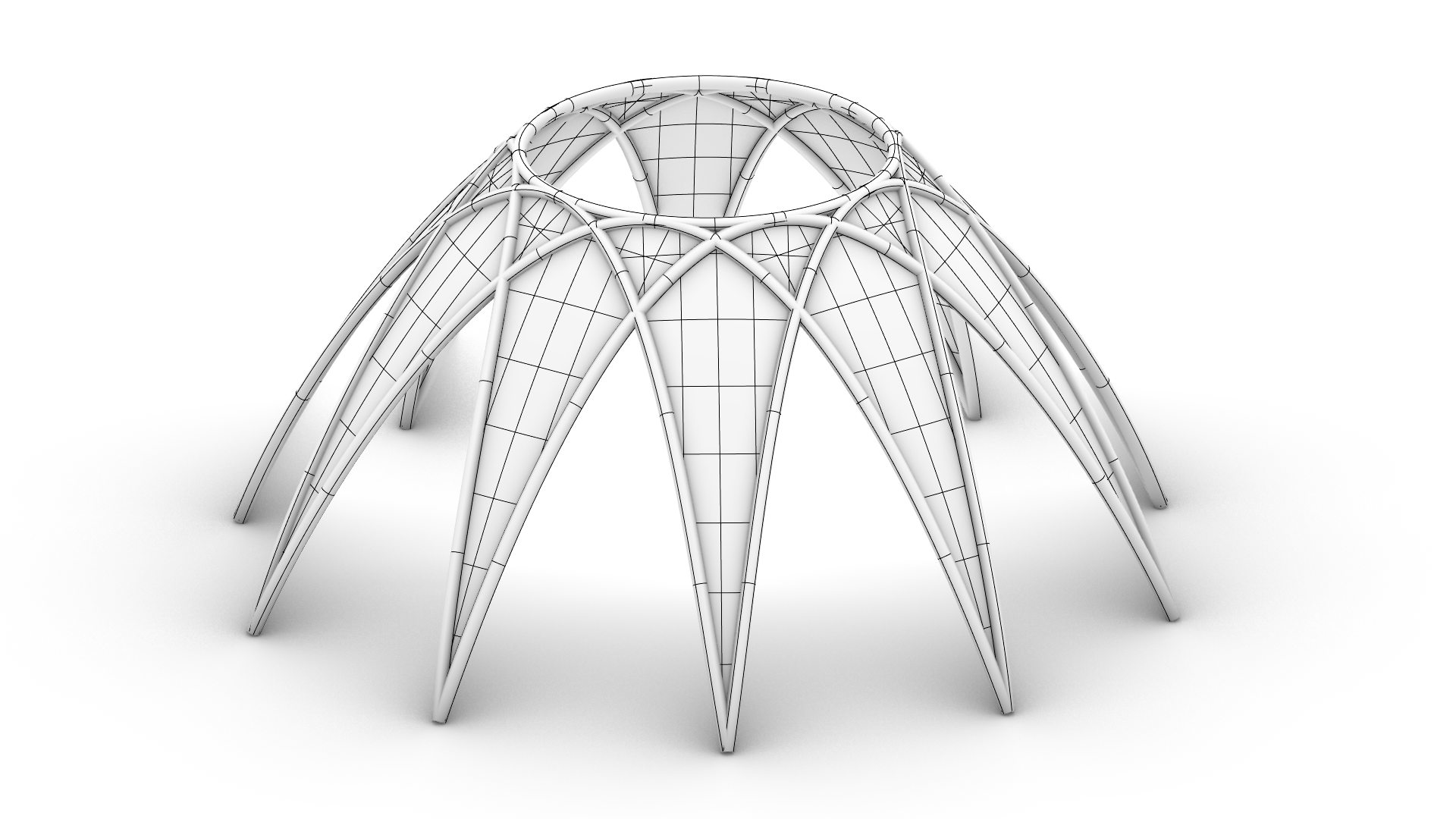


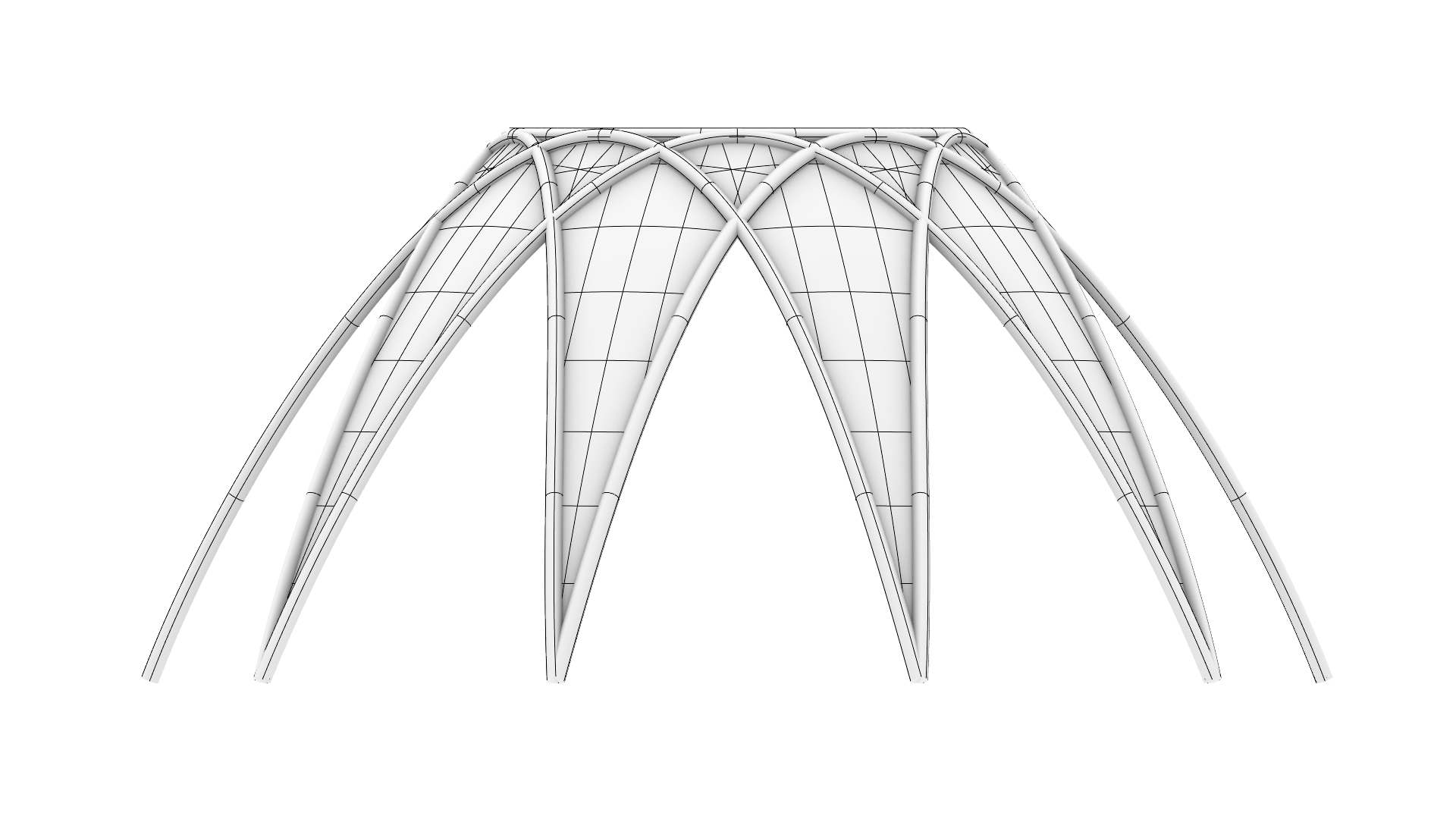
CAD sketching and AI visualization allow time for dialogue, hands-on experimentation, and collective learning—extending material understanding beyond convention.
Our Vision
We envision communities that are able to shape their own futures by designing, building, and sustaining the infrastructures and systems they depend on. A future where development is grounded in place, informed by material intelligence, and strengthened through shared knowledge and collective learning.
QASAB imagines sustainable development as a process that grows from local realities—responsive to ecological limits, rooted in context, and independent from one-size-fits-all or imported solutions.
Our Mission
QASAB’s mission is to develop practical, human-centered, and environmentally grounded solutions that can grow and adapt with the communities and landscapes they serve.
We work by bringing together artists, designers, engineers, farmers, craftspeople, and researchers in collaborative processes that address challenges related to food security, resource scarcity, and sustainable livelihoods.
Through collaboration and the mobilization of skills, knowledge, and resources, QASAB advances its work through three interconnected mission pillars.
Our Approach
QASAB positions research-based design as a leading force in development, guided from the start by material intelligence, cross-sector dialogue, creative thinking, and hands-on experimentation.
QASAB treats design as a way of learning, developed through work in real-life conditions.
We learn from existing models and experiences, carefully adapting them to local contexts and grounding them in place-based knowledge. This enables systems to grow gradually, remain repairable, and adapt over time.
Ecological & Resource Value
Renewability
Availability
Accessibility
Material Trust & Performance
Reliability
Durability
Longevity
Use & Design
Potential
Applicability
Versatility
Adaptability
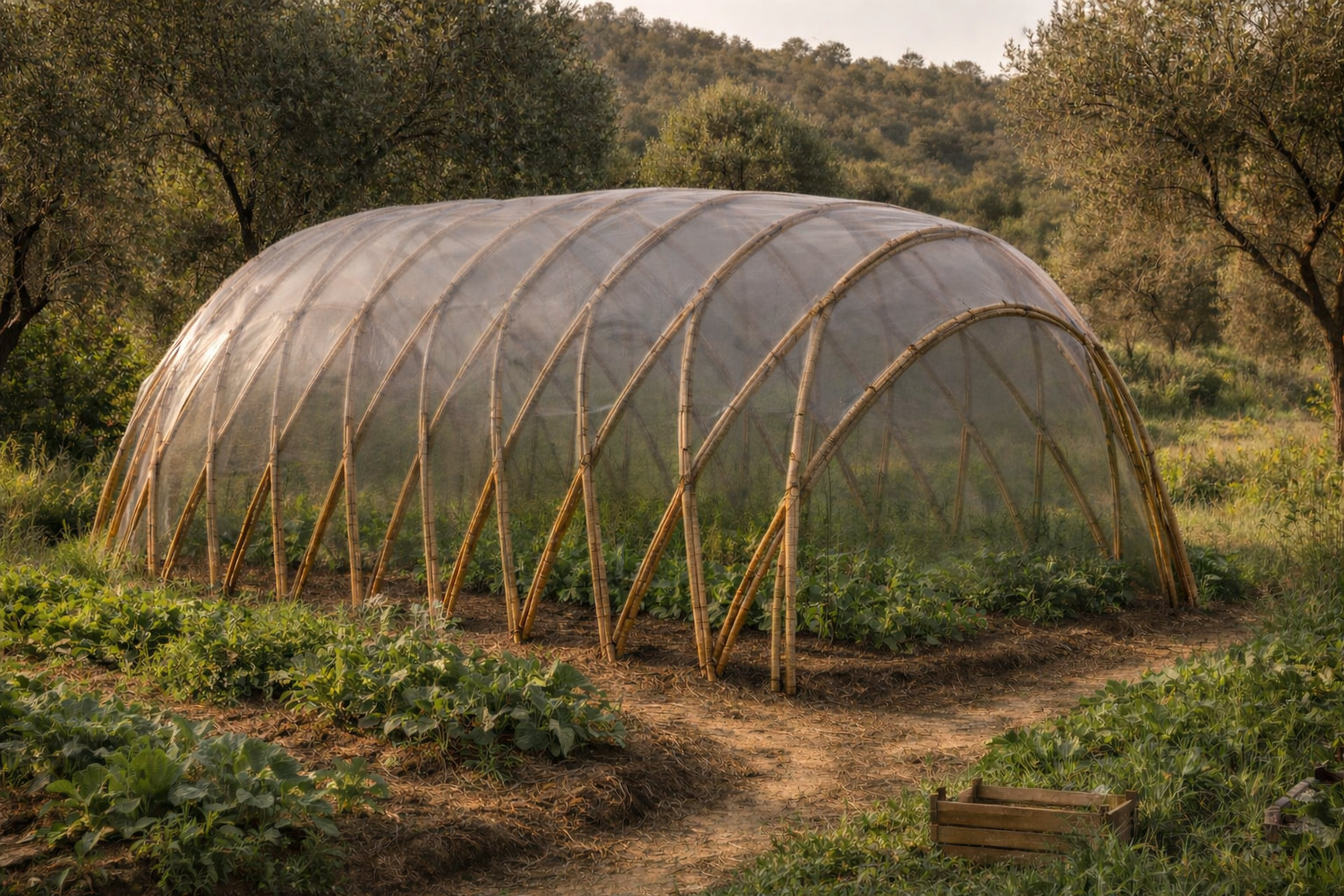
In practice: Community-Centered and Open
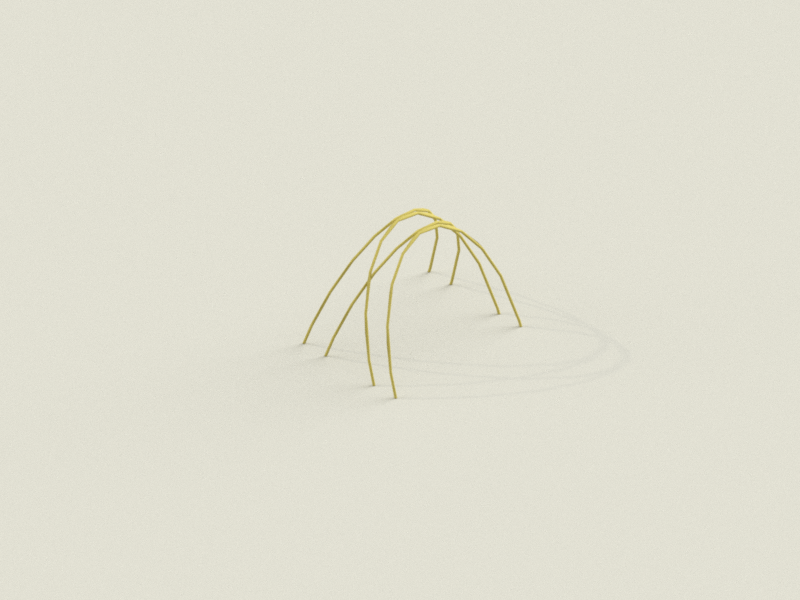
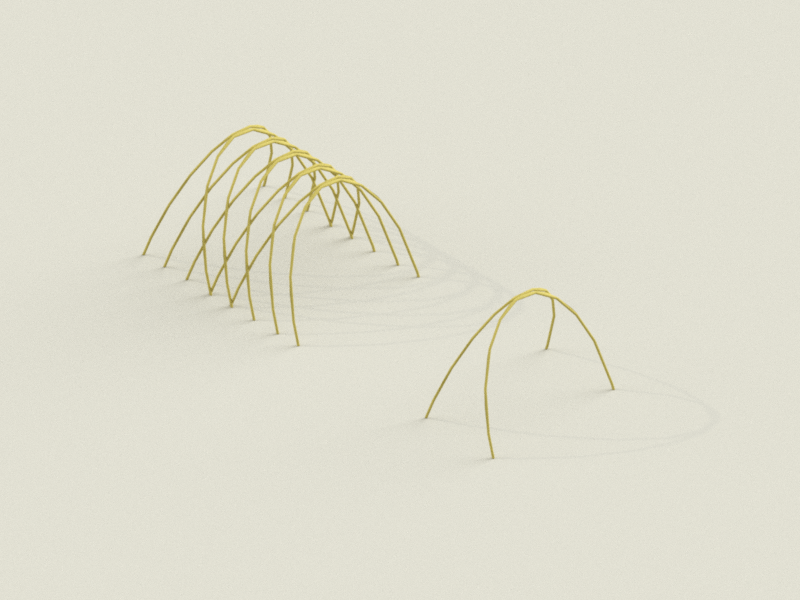
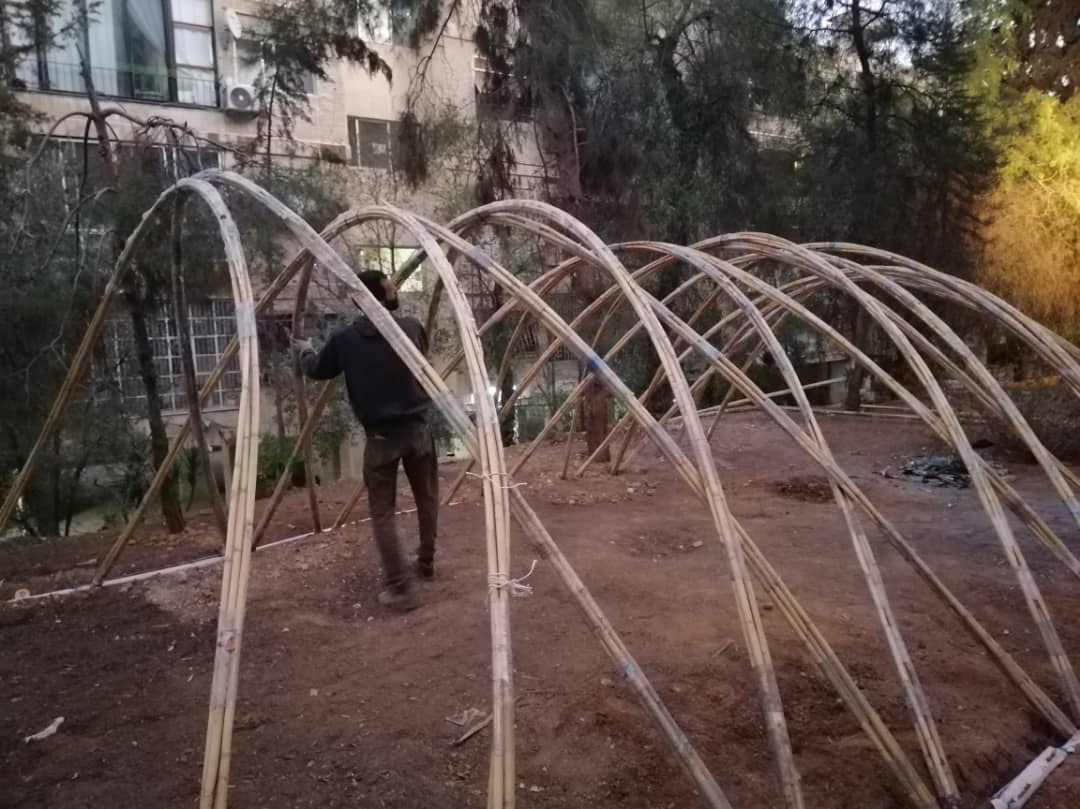
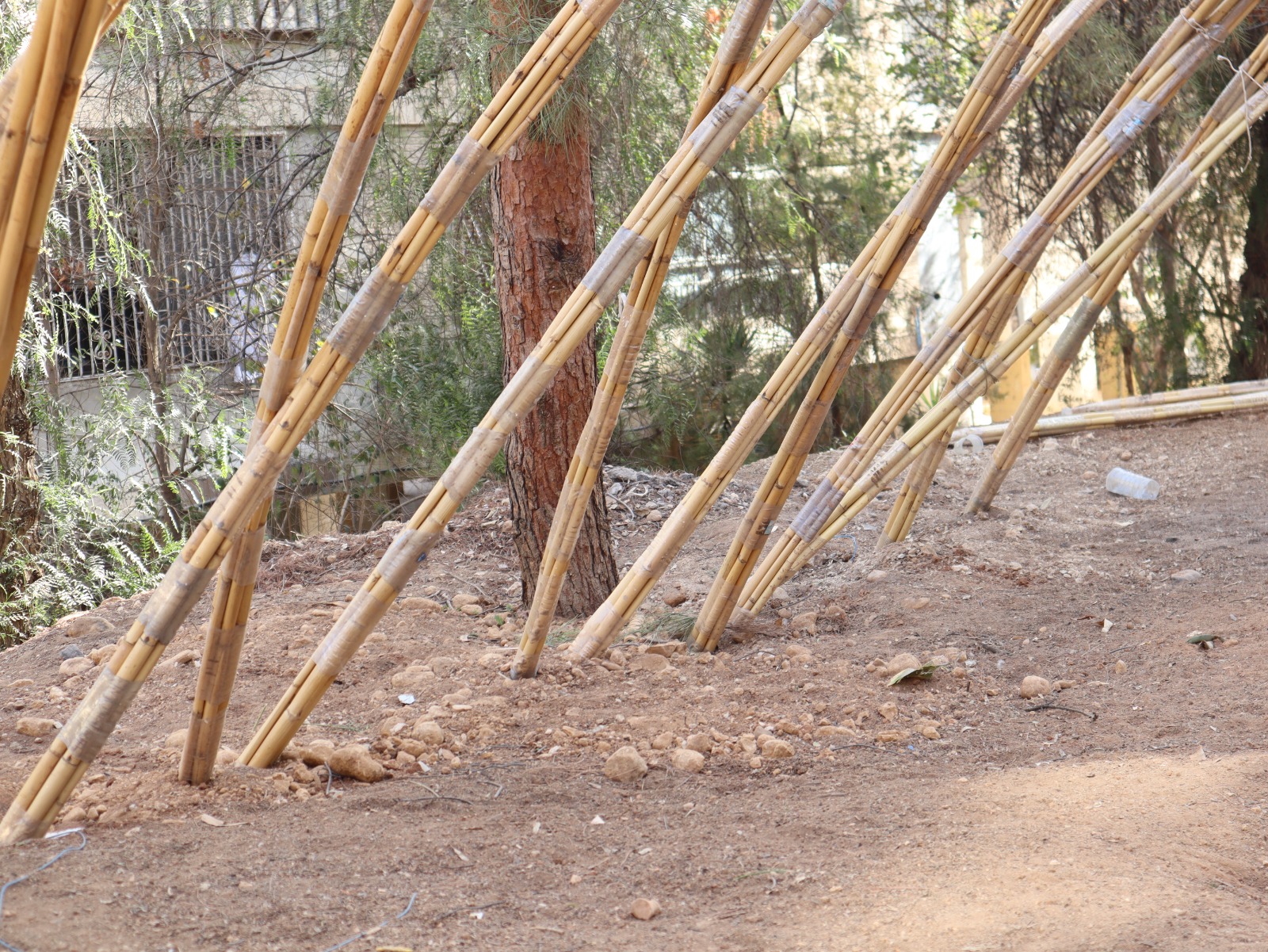
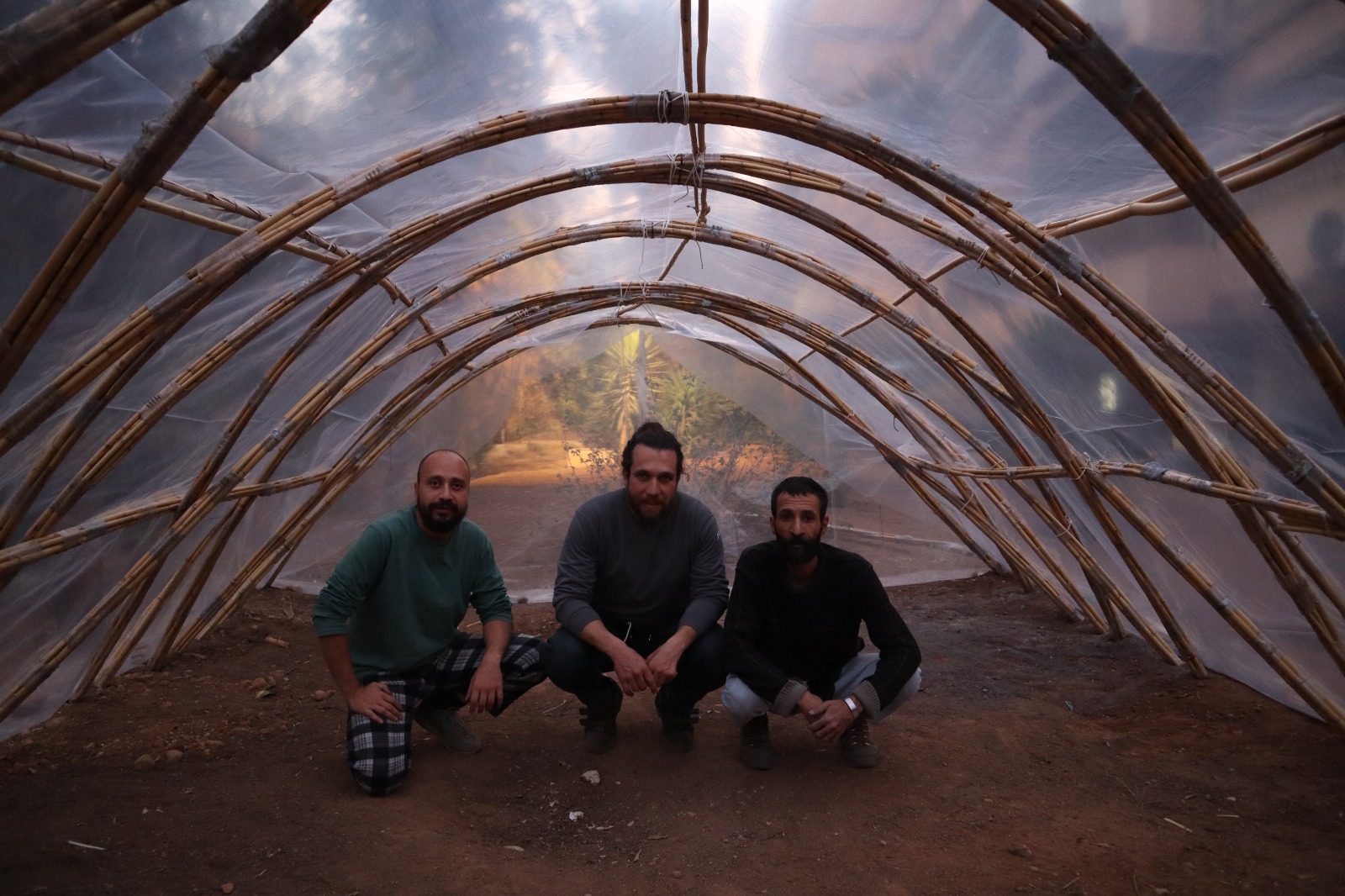
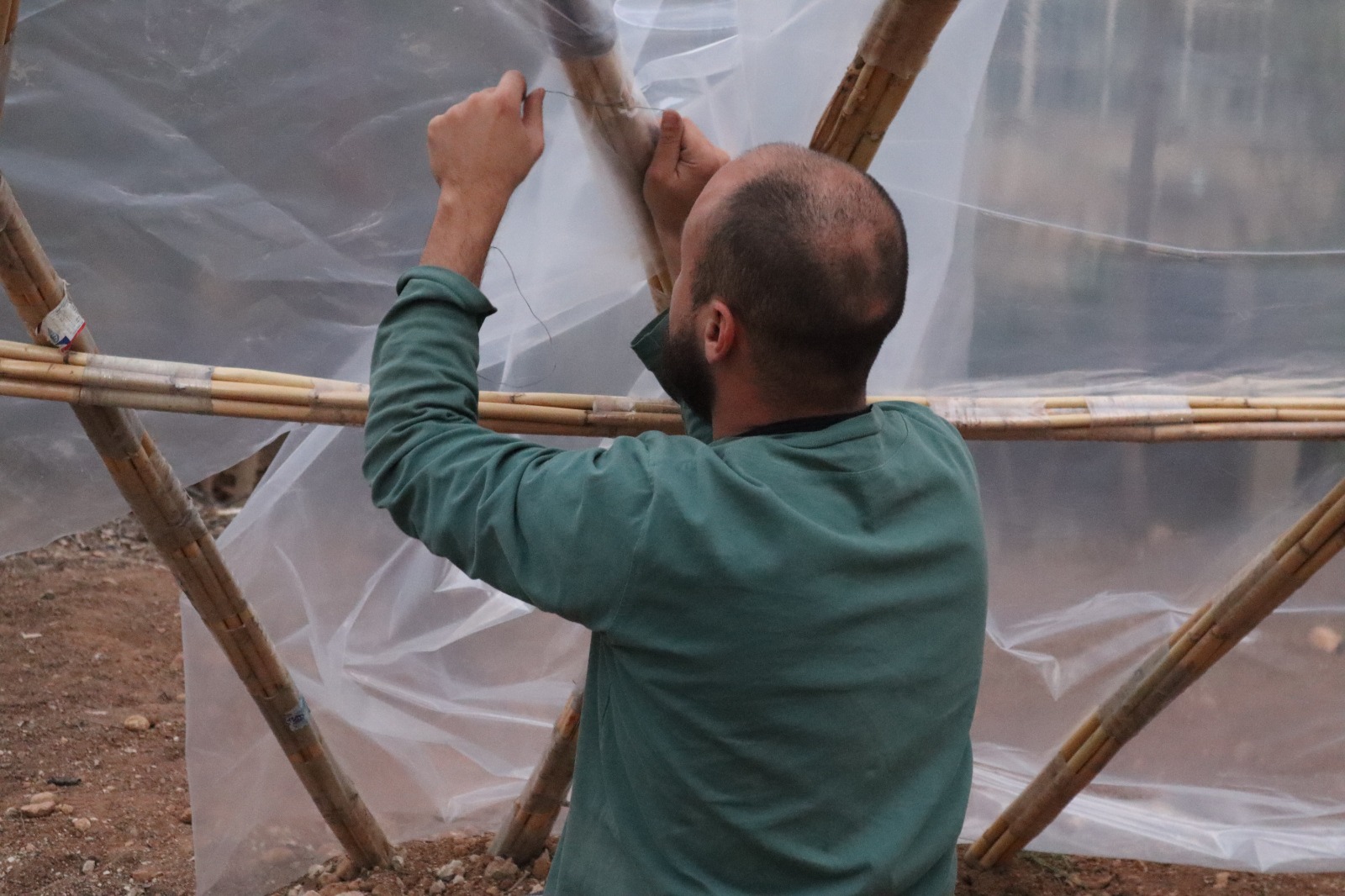
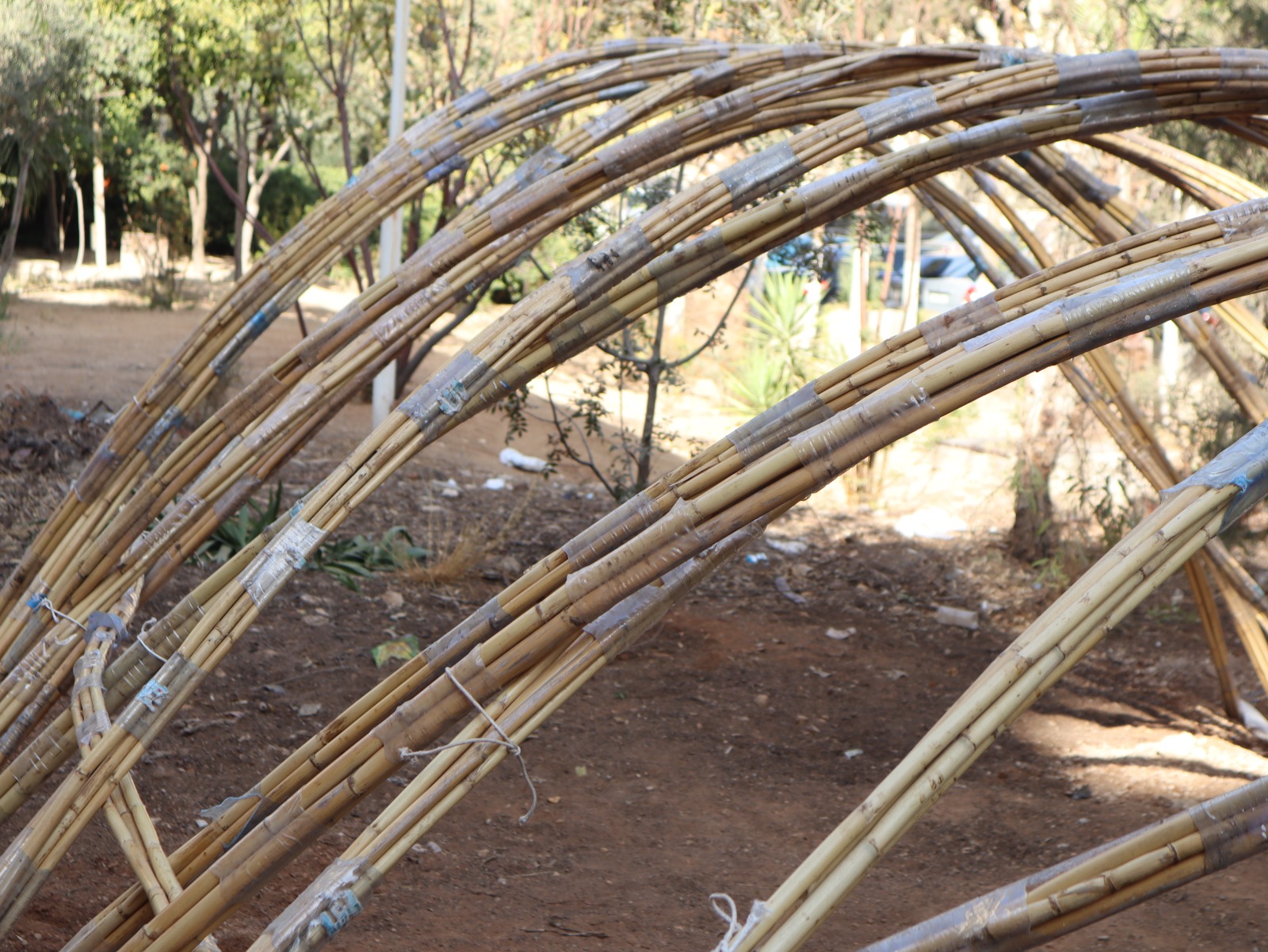
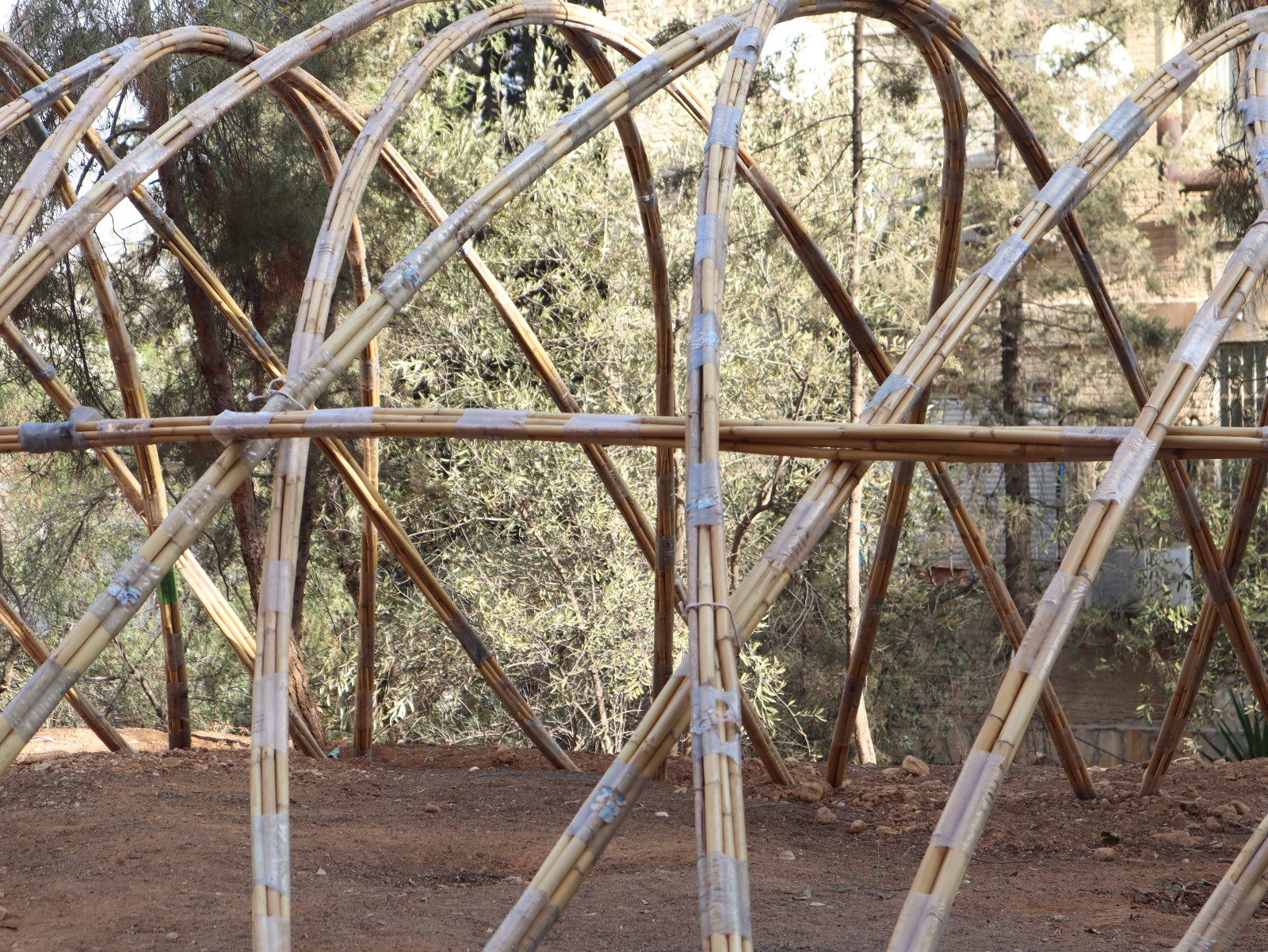
Using natural and reclaimed materials, QASAB designs, tests, and builds practical, low-cost, climate-responsive systems and adaptive structures for agricultural, rural, and urban infrastructure. The focus is on effective solutions that can be built, maintained, and adapted within fragile and resource-limited contexts.
Work happens side by side with communities. Designers collaborate directly with farmers, engineers, craftspeople, researchers, and local actors—combining place-based knowledge with contemporary research, design methods, and systems thinking. Processes and outcomes are shared openly to support learning, adaptation, and replication, while keeping knowledge and agency rooted within the communities themselves.
Get Involved
Qasab exists through participation. It grows from shared hands, shared time, and shared responsibility.
Collaboration is not a tool we use, but the ground we stand on—how ideas take form, meet reality, and endure.
Ways to Get Involved with Qasab:
– Volunteer in the Field & Be Present: Join field prototyping and pilot construction by helping where extra hands are needed. Participation can be brief or extended, and includes building, testing, sharing time, and being part of the collective atmosphere.
– Volunteer with Skills & Documentation: Contribute technical, design, craft, or organizational skills, including documentation, photography, filming, archiving, logistics, coordination, or digital support.
– Share Knowledge & Advise: Offer advice, mentoring, or critical feedback based on professional or lived experience. Engagement can be occasional or ongoing, without involvement in daily operations.
– Develop Ideas, Workshops & Labs: Bring an idea aligned with Qasab’s values and develop it collaboratively through workshops, labs, and prototyping using natural or reclaimed materials.
– Support a Community or Place: Connect Qasab with a local community or place, support project initiation or adaptation, or help develop a prototype where it is most needed.
Offer Space, Materials & Tools: Support the work by offering space, land, tools, equipment, or natural and reclaimed materials that enable hands-on experimentation.
Provide Financial Support: Support specific prototypes, pilot projects, workshops, tools, or materials through financial contributions that respect Qasab’s independence.
Join as a Collaborator or Team Member: Join ongoing initiatives or collaborate on a project basis as a researcher, designer, artist, technician, or practitioner.
Support Institutionally or Strategically: Build partnerships, support policy or advocacy efforts, and help open doors in ways aligned with Qasab’s values.
Stay Connected & Start a Conversation: Follow the work, join the mailing list, share the initiative, or reach out with a question or curiosity. Many collaborations begin with a simple conversation.
Our Team
Hossam Sirghyah
Visual Artist & Independent Practitioner
A visual artist with over nine years of independent practice, known for strong technical skills and a hands-on, experimental approach. His work engages closely with local communities and farmers, emphasizing field-based collaboration and material exploration. He has participated in multiple solo and group exhibitions and received national and regional recognition. Currently works in textile design and printing, with a focus on art rooted in place, process, and human experience.
Solena Dahdal
Architect & Urban Designer
An architect focused on community-driven design, urban research, and heritage-based practice. Solina works at the intersection of social context, local materials, and sustainable architecture. Her experience includes documentation, restoration, and low-income housing design, with strong skills in site analysis, mapping, and research-led design. She is particularly interested in adaptive reuse and environmentally responsive architecture rooted in place.
Add Your Heading Text Here
Add Your Heading Text Here
Lorem ipsum dolor sit amet, consectetur adipiscing elit. Ut elit tellus, luctus nec ullamcorper mattis, pulvinar dapibus leo.